
One October Afternoon
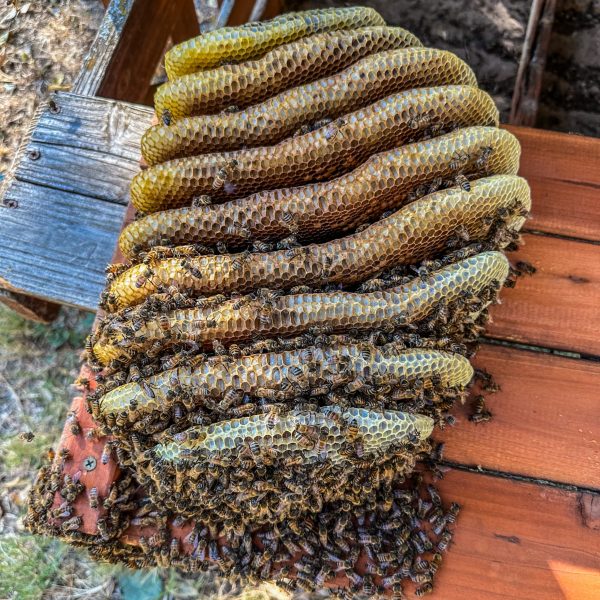
Our journey into beekeeping began unexpectedly—at the end of our driveway in October 2016. Brian was mowing when he noticed bees flying in and out of our water meter box. Curious and concerned, we called a local beekeeper. He told us it was late in the season and the colony likely wouldn’t survive, but he could remove them for a fee. Not wanting to let the bees die, we turned to YouTube and began learning all we could about honey bees. With some divine intervention, we managed to move the hive into a box—and they survived. We quickly learned the importance of honey bees at the winery.
Adding a Few Colonies
In 2019, we decided to expand and purchased three additional colonies. Things went well until the historic Texas freeze in February 2021. That brutal nine-day cold snap took a toll, and we lost two colonies. The third struggled on but eventually died in March. It was heartbreaking. We left the empty hive box beside the one surviving colony.
With a Little Help from Our Friends
Then in 2023, something remarkable happened. A new colony took up residence in that abandoned hive box. Later that year, two of our regular customers—who also happened to be beekeepers—asked if we could host a couple of their hives. Their enthusiasm and passion for beekeeping rekindled our own.
From One Rescued Honey Bee Colony to a Growing Apiary
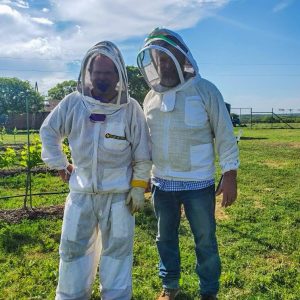
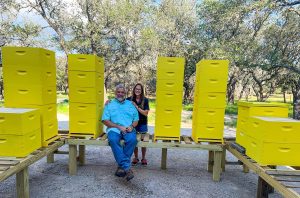
Inspired once again, Brian enrolled in an online beekeeping course through Cornell University in 2024. He enjoyed it so much that he began their 15-month Master Beekeeping program in January 2025. Today, we care for 17 colonies of our own and manage 12 more for a neighbor as part of his 1-D-1 Agricultural Appraisal (Ag Exemption).
Why Honey Bees?
Honey bees are essential to agriculture and healthy ecosystems. Their pollination efforts support the growth of fruits, vegetables, nuts, and wildflowers—directly impacting biodiversity and food production. It’s estimated that about one-third of our food supply depends on bee pollination.
Helping Our Pollinators
Sadly, pollinators face increasing threats from habitat destruction, pesticide exposure, and climate stress. It’s not just honey bees—wasps, butterflies, moths, hummingbirds, bats, beetles, and native bee species are also at risk. As stewards of this land, we feel a responsibility to help protect these critical creatures. That’s why we’re committed to sustainable farming and land practices that support the health of all pollinators. In 2024 we went through the Texas Master Naturalist program to help us be better land stewards.
How Can You Help?
To help pollinators, focus on providing them with food, water, and safe nesting habitats. Plant a variety of native flowering plants that bloom at different times to offer a continuous food source, reduce or eliminate pesticide use, and provide a water source like a shallow dish with pebbles. Additionally, consider creating nesting sites for native bees and supporting local beekeepers. Visit our How You Can Help Pollinators page.