
Our Journey into Conservation and Stewardship
Towards the end of 2023, we embarked on a journey of learning and transformation, inspired by a growing interest in soil health, land stewardship, native plants, pollinators, and conservation. Our gateway to this fascinating world was through YouTube videos that offered insights and inspiration, prompting us to reconsider and enhance our plans for our property.
Discovering the Texas Master Naturalist Program
During our exploration, we discovered the Texas Master Naturalist Program. This certification program is dedicated to education, outreach, and service, focusing on the beneficial management of natural resources and natural areas within Texas communities. We were thrilled to find our nearest chapter in Stephenville. Starting in January, we committed to driving to Tarleton State University every Wednesday night for 16 weeks to participate in this program. It was an enlightening experience, and we highly recommend it to anyone passionate about nature and conservation.
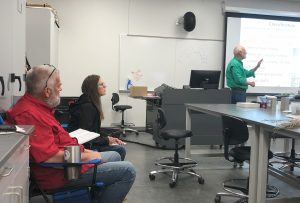
Texas Master Naturalist Class
Becoming Certified Pollinator Stewards
In February, we took another significant step by enrolling in the Pollinator Steward Certification from the Pollinator Partnership. This 7-week online program empowers participants with the scientific knowledge necessary to make a real difference for pollinators, people, and the planet. The classes, conducted via Zoom, were highly collaborative and engaging. We found the program incredibly valuable and recommend it to all pollinator enthusiasts.
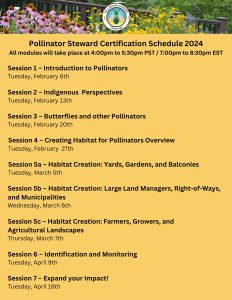
Pollinator Steward Certification
Implementing Weed Suppression with Silage Tarps
Our journey into practical application began with the challenge of preparing the area designated for our pollinator garden, which was overrun with thick weeds. While many sources suggested using herbicides, we sought a more eco-friendly solution and discovered weed suppression using silage tarps. On March 19th, we unrolled our 20’ x 100’ silage tarp, and it was fascinating to see it from above on Google Maps!
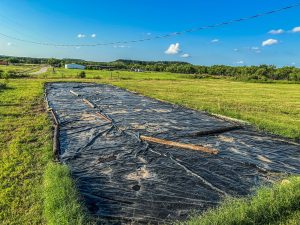
Silage Tarp
Our plan is to remove the tarp in late September or October, after which we will build three 4’ wide by 90’ long raised beds for our pollinator garden. Since March, we have planted over 30 varieties of native and adapted pollinator plants. We’re testing these plants for their resiliency, drought tolerance, and, most importantly, their ability to attract pollinators. You can check out our Pollinator Test Plant List to see the varieties we’ve chosen. Below is a photo of our pallet pollinator testing bed.
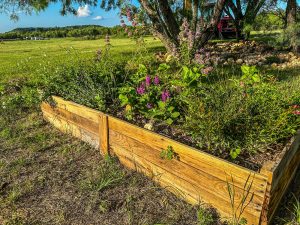
Pallet Flower Bed
Planting Wild Plum Trees and Attracting Beneficial Insects
In March, we planted 56 wild plum trees from bare roots. Despite a later-than-planned planting, 51 trees are thriving. To enhance the ecosystem, we planted flowering plants, including zinnias, between the trees to attract beneficial insects. The zinnias have added a vibrant touch to the landscape!
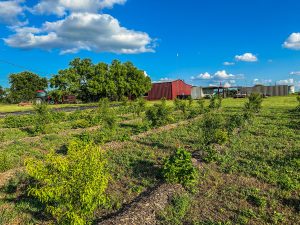
Wild Plums and flowers
Expanding Our Beekeeping Efforts
Last fall, we received invaluable assistance from Lisa and Frank, two local beekeepers, who helped us expand our bee colonies to 8 thriving hives. Their expertise has been instrumental in our success. Next month, Brian will begin a 5-week online beekeeping class through Cornell University, and we are excited to continue growing our bee colonies and contributing to pollinator health.
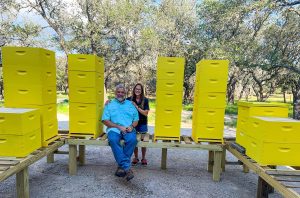
More Beehives
This journey has been both educational and rewarding, and we are enthusiastic about the future. Our efforts in conservation and pollinator stewardship are just beginning, and we look forward to sharing more updates as we continue to learn and grow. Thank you for following along with us on this exciting adventure!
Below are some of the related organizations that we joined:
The Xerces Society – protects the natural world through the conservation of invertebrates and their habitats
Pollinator Partnership – promotes the health of pollinators through conservation, education, and research
Lady Bird Johnson Wildflower Center – inspires the conservation of native plants through our gardens, research, education, and outreach programs
Native Plant Society of Texas – promotes conservation, research and utilization of native plants and plant habitats of Texas
Texas Bluebird Society – grassroots organization helping bluebirds and other native cavity-nesting birds
North American Butterfly Association – a wildlife conservation nonprofit working to create a world where butterflies thrive
Texan by Nature – exists to advance conservation that is beneficial to people, prosperity, and natural resources in Texas
Texas Parks and Wildlife Foundation – conserving the wild things and wild places of Texas



I love what you are doing and your passion for caring for this earth and all creatures there in!
You inspire me to look at my yard and how I might also participate.